
How to Align Your Money With Your Values
Most of us think about sustainability in terms of what we buy, how we recycle, or how energy-efficient our homes are. But there’s one powerful lever many people overlook:
Where your money is invested?
In a recent Sustainable Sherri podcast conversation, we explored how everyday people—not just financial professionals—can begin aligning their investments with their values. The takeaway was simple and empowering:
👉 You don’t need to be an expert.
👉 You don’t need to overhaul everything overnight.
👉 Small, intentional steps matter.
Here’s what you need to know.
What Is Sustainable Investing?
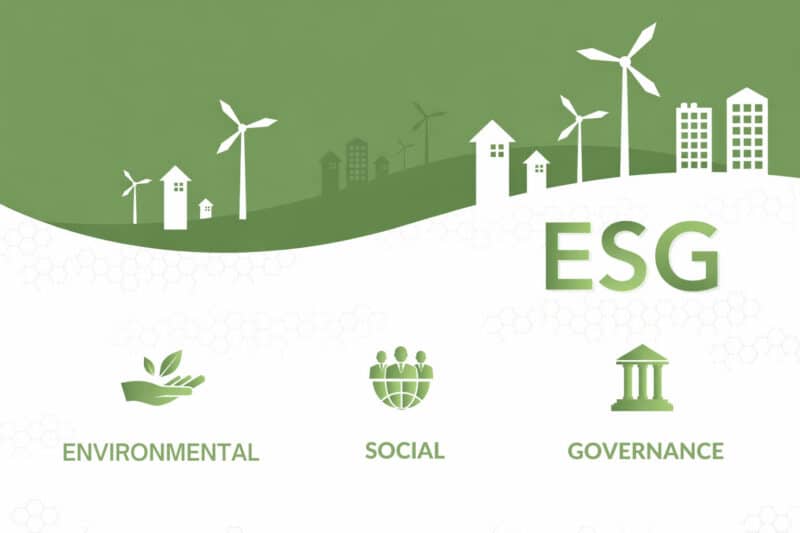
Sustainable investing (also called responsible, ethical, ESG, or impact investing) means choosing investments that consider:
- Environmental impact (climate, water use, pollution)
- Social responsibility (labor practices, diversity, community impact)
- Corporate governance (transparency, ethics, leadership accountability)
It’s about knowing what you own and deciding whether those companies reflect what you care about.
Importantly, sustainable investing is not new—it has roots going back decades—but today’s tools make it far more accessible to everyday investors
Myth Busting: Does Sustainable Investing Mean Lower Returns?
One of the biggest misconceptions is that sustainable investing sacrifices performance.
In reality, many sustainable strategies perform competitively with traditional portfolios because they focus on companies managing risk well—things like regulatory exposure, environmental liabilities, and leadership quality.
Companies that ignore these factors often end up paying the price later through lawsuits, fines, reputational damage, or lost market share.
Doing the right thing is increasingly good business.
Three Simple Steps Anyone Can Take (No Finance Degree Required)
If this feels overwhelming, start small. Here’s a practical framework you can use this weekend:
✅ 1. Look at What You Already Own
Pull up your investment statement and find the ticker symbols for your funds or stocks.
Then try this free tool:
👉 Fossil Free Funds Action Toolkit
https://fossilfreefunds.org/fossil-free-action-toolkit
You can enter your fund symbol and instantly see exposure to:
- Fossil fuels
- Weapons manufacturers
- Private prisons
- Deforestation risk
- And more
This alone is eye-opening for many people. Awareness is step one.
✅ 2. Clarify Your Values
Ask yourself:
- Do I care most about climate?
- Women in leadership?
- Community development?
- Clean energy?
- Human rights?
There’s no single “correct” answer. Sustainable investing is personal. Your portfolio should reflect your priorities—not someone else’s.
✅ 3. Take Baby Steps
You don’t have to sell everything.
Even shifting a small percentage of your portfolio toward more responsible funds makes a difference.
Examples might include:
- Swapping one conventional fund for a sustainable alternative
- Adding a clean-energy ETF
- Exploring community or impact investments
- Reducing exposure to industries that don’t align with your values
Progress beats perfection.
Why Younger Generations—and Retirees—Are Driving This Shift
Something fascinating is happening. It’s not just Gen Z asking these questions. More and more people in their 50s, 60s, and beyond are re-examining their investments and asking:
“Does my money reflect who I am?”
Many are also thinking about legacy—what their children or grandchildren will inherit, financially and environmentally.
That mindset shift is one reason major financial institutions are rapidly expanding sustainable investment options.
If you’d like a broader overview of sustainable investing trends and frameworks, Morningstar has an excellent educational hub here:
👉 Morningstar Sustainable Investing
https://www.morningstar.com/sustainable-investing
Featured Product
To purchase Dale Wannen’s Book “Don’t Feed The Clowns” click here. Or you can contact Dale at Dale@SustainVest.com


Watch Full Podcast/Interview with Dale Wannen
Leave a Reply