
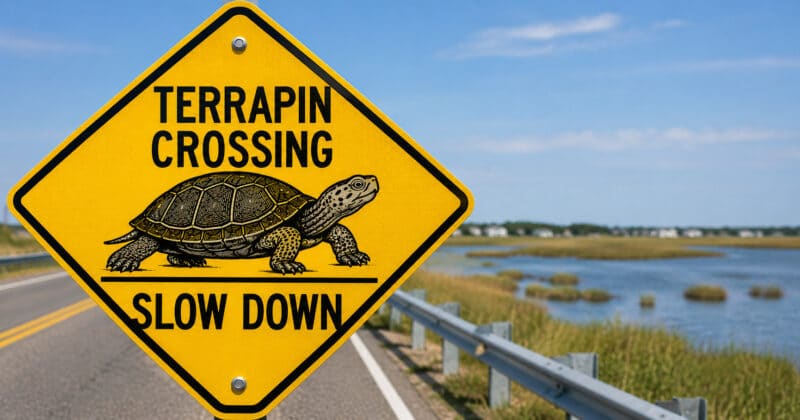
Those “Pieces of Debris” on the Causeway Could Be a Terrapin Turtle
Every spring and summer, one of the Jersey Shore’s most remarkable wildlife migrations takes place right before our eyes. Unfortunately, many people never realize it.
As you drive across the causeway connecting the mainland to our barrier islands, what may appear to be a small piece of debris on the road could actually be a female diamondback terrapin making a critical journey to lay her eggs.
This is breeding season, and these turtles need our help.
Why Are Terrapins Crossing the Causeway?
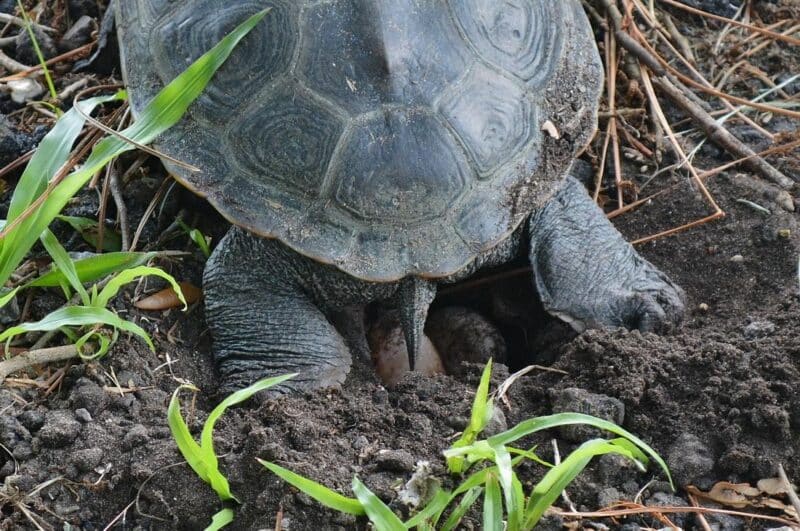
Diamondback terrapins are unique turtles that live in the salt marshes and coastal estuaries of New Jersey. Unlike freshwater turtles, terrapins thrive in the brackish waters found throughout the back bays of Atlantic County.
During late spring and early summer, female terrapins leave the marshes and waterways in search of higher, sandy ground where they can safely lay their eggs.
Unfortunately, modern roads and causeways often sit directly between the marsh habitat and suitable nesting sites.
As a result, female terrapins are forced to cross busy roadways—including our local causeways—to reach nesting areas. After laying their eggs, they must make the return trip back to the marsh.
For many turtles, this journey can be deadly.
Why They Are So Difficult to See
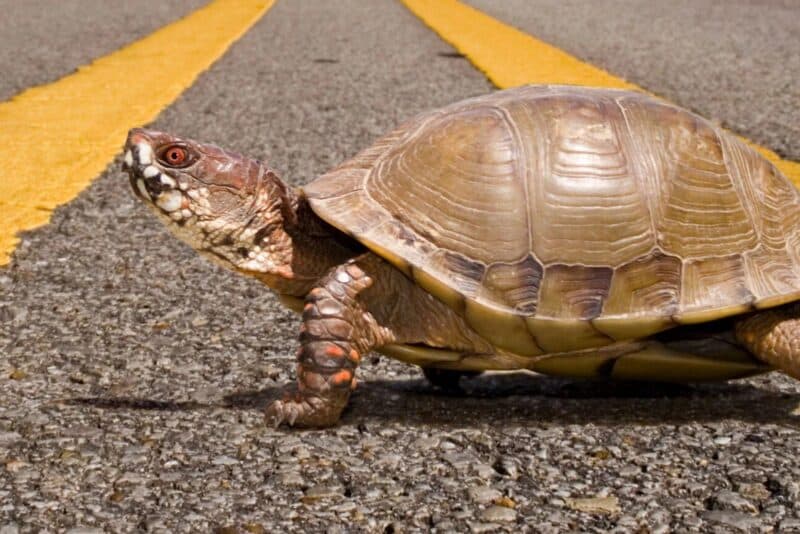
One of the biggest challenges for drivers is that terrapins are surprisingly difficult to spot.
At highway speeds, a terrapin often looks like:
- A clump of seaweed
- A small rock
- Road debris
- A dark patch on the pavement
Their low profile and dark-colored shells blend almost perfectly into the roadway.
By the time many drivers realize they are looking at a turtle, it is often too late to react safely.
This is especially true during dawn and dusk, when visibility is reduced and turtles are most active.
Why This Breeding Season Is So Important
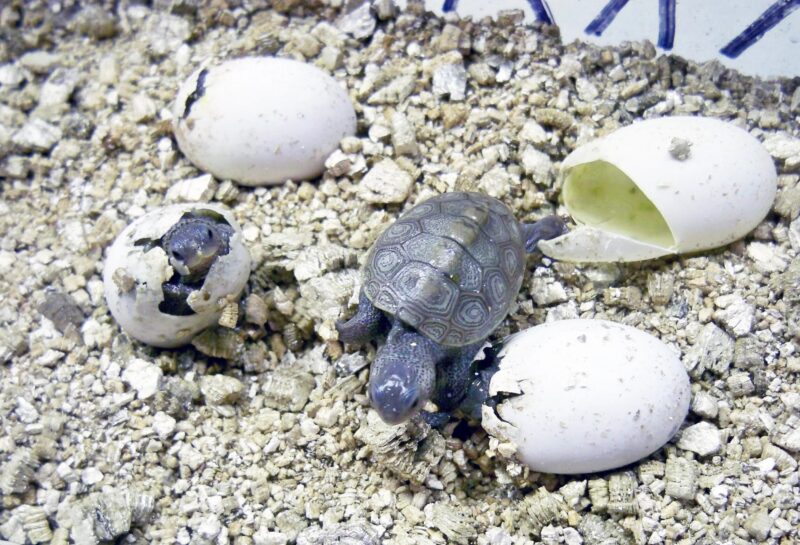
Every female terrapin that successfully reaches her nesting site contributes to the future survival of the species.
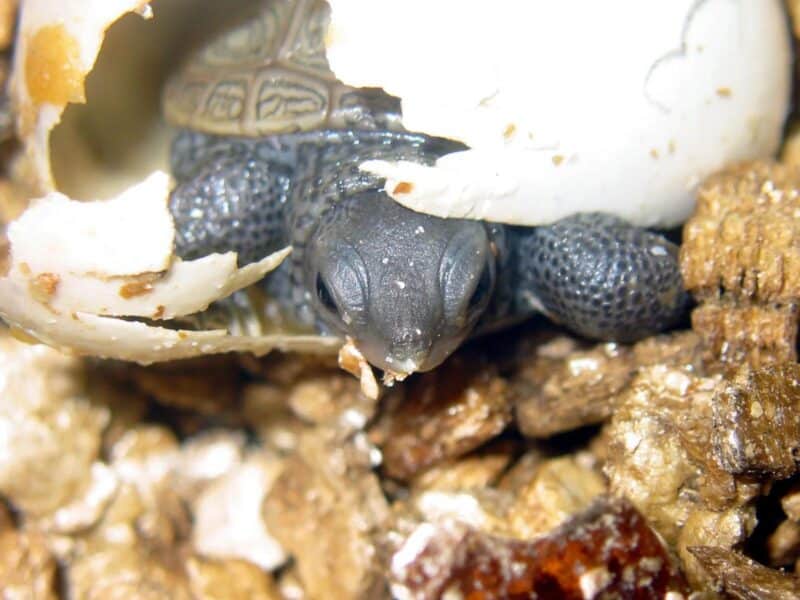
A single female may lay multiple clutches of eggs during the nesting season. Those eggs will hatch later in the summer, producing the next generation of terrapins.
However, terrapins face numerous threats:
- Vehicle strikes
- Habitat loss
- Flooding of nests
- Predation by raccoons and foxes
- Plastic pollution
- Climate-related impacts
Because adult females are the breeding population, every turtle lost on the roadway has an outsized impact on future generations.
Unlike some species that mature quickly, terrapins can take many years to reach reproductive age. When breeding females are killed, it can take decades for populations to recover.
A New Jersey Conservation Success Story—But They Still Need Our Help
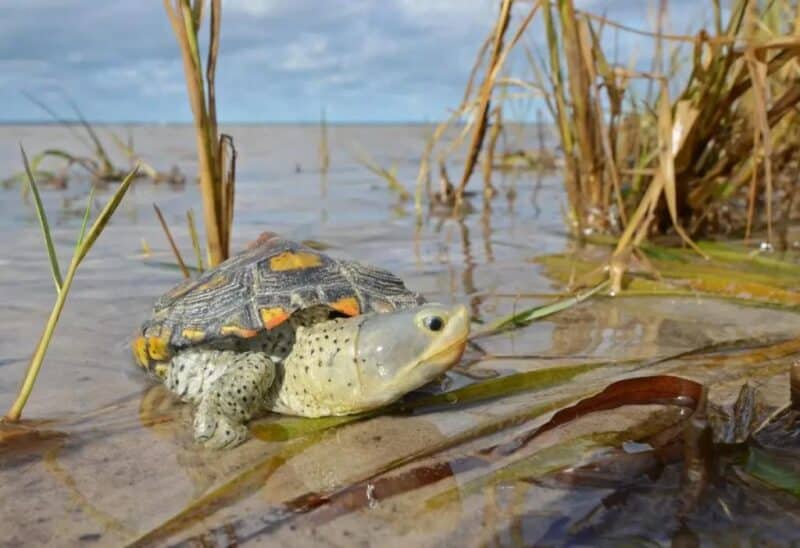
Diamondback terrapins were once heavily harvested for food and nearly disappeared from parts of their range in the early 1900s.
Thanks to conservation efforts, populations have rebounded in many areas. However, road mortality remains one of the leading threats to local populations.
Many wildlife organizations and volunteers throughout New Jersey spend countless hours helping terrapins safely cross roads, monitoring nesting sites, and educating the public.
But the most important conservation action can come from ordinary drivers.
What you can do
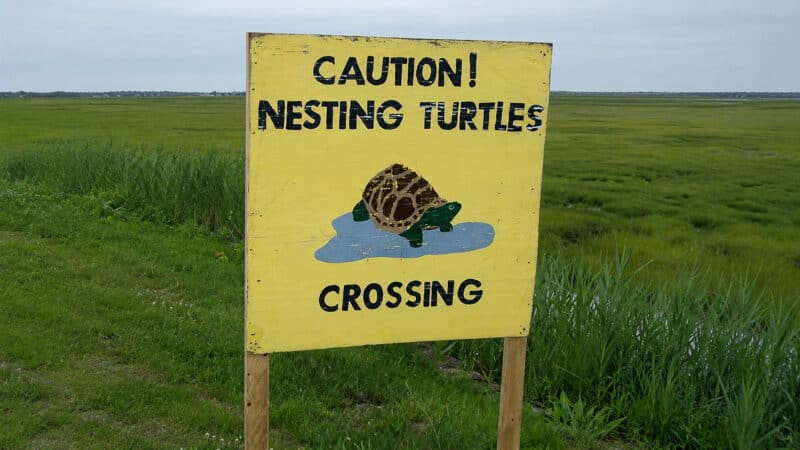
Slow down on Causeways
During nesting season, remain alert when driving across causeways and roads adjacent to marshes.
Watch for Movement
If you see what looks like debris on the road, take a second look. It may be a terrapin.
Never Swerve Unsafely
Protect yourself and other drivers first. If traffic conditions allow, slow down and avoid the turtle.
Help Only If It Is Safe
If it is safe to do so, you may help a turtle cross in the direction it was already heading.
Never move a terrapin back toward where it came from—it is trying to reach a specific destination.
Spead Awareness
Tell friends, family, and visitors about terrapin nesting season. Many people simply do not know these turtles are crossing our roads.
Every Turtle Matters
The next time you drive across the causeway, remember that you are traveling through one of New Jersey’s most important coastal ecosystems.
That small object on the pavement may not be debris.
It may be a mother terrapin carrying the future of her species.
By slowing down and staying alert, we can help ensure that these iconic Jersey Shore turtles continue to thrive for generations to come.
Because sometimes saving wildlife is as simple as easing off the gas pedal.


Leave a Reply