
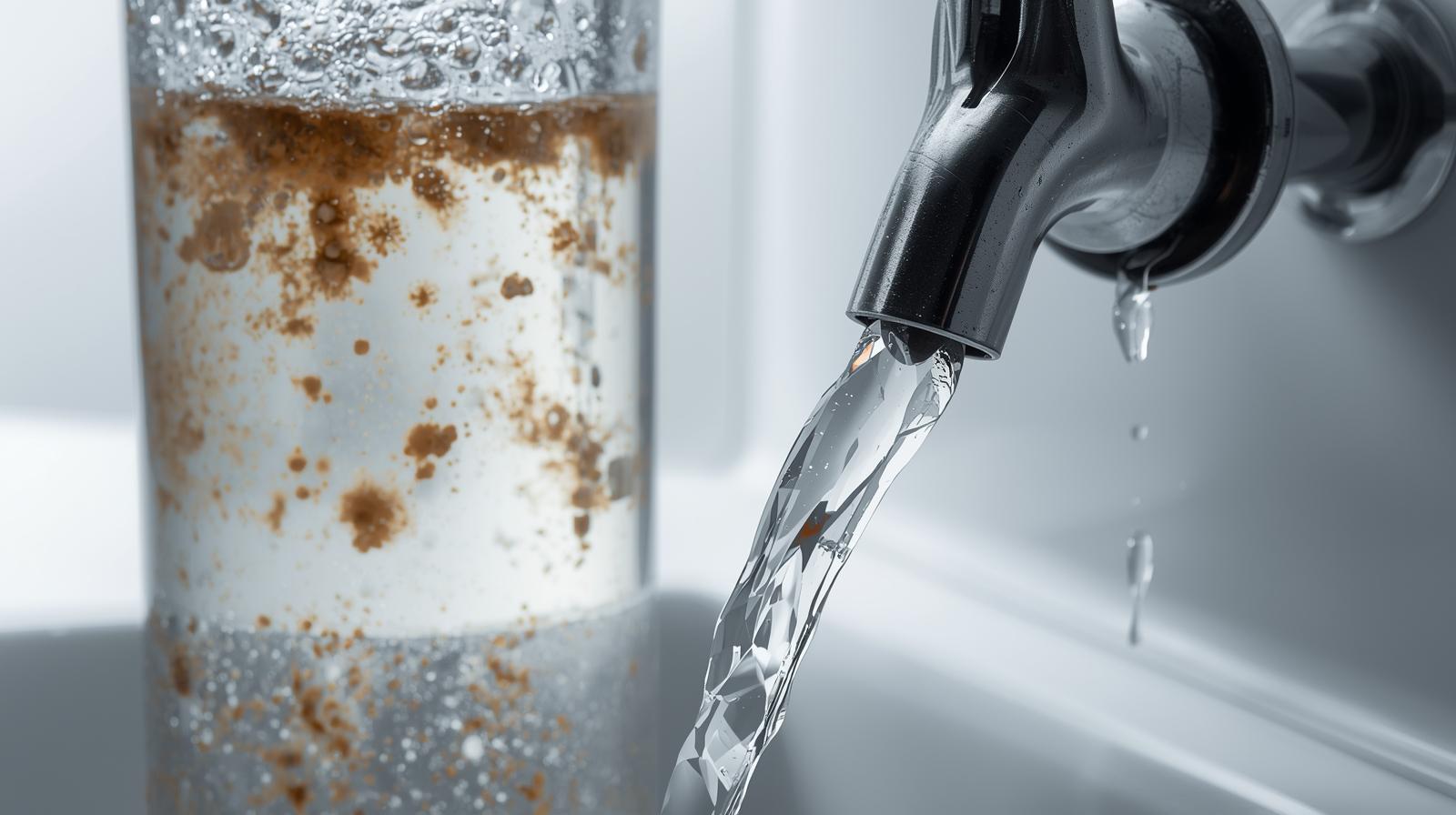
Water filters are essential for reducing metals like iron, chemicals such as PFAS, and chlorine-related byproducts that can impact water quality and health. By removing these contaminants from drinking and shower water, filtration systems help protect the body, improve taste and odor, and support safer daily water use at home and work.
As an Amazon Associate I earn from qualifying purchases.
Drinking Water Systems
Point-of-use drinking water systems serve as a critical final barrier, ensuring that the water you consume is truly high-quality rather than just meeting minimum regulatory standards. Even when water is deemed “safe” at a municipal treatment plant, it often contains chlorine and disinfectant byproducts that negatively impact taste and have potential long-term health implications. Furthermore, water travels through miles of aging infrastructure where it can pick up lead from old pipes, PFAS from groundwater infiltration, and other microscopic contaminants before reaching your kitchen. By filtering your water at the point of consumption, you effectively remove these lingering hazards and transport-related pollutants, providing a cleaner, healthier, and better-tasting foundation for drinking and cooking.


![[Original] Waterdrop CFF-05 Silver Ions Replacement for WD-CTF-09 | Reduces Chlorine, PFOA/PFOS, Sediment, Bad Taste &Odor, for WD-CTF-09 Countertop Water Filter, Longer Filter Life, 5000 GAL](https://m.media-amazon.com/images/I/61GxNJmOopL._SL160_.jpg)
![[Original] Waterdrop CFF-06 Water Filter Replacement for WD-CTF-09 | Reduces Chlorine, PFOA/PFOS, Sediment, Bad Taste & Odor, for WD-CTF-09 Countertop Water Filter, Longer Filter Life, 8000 GAL](https://m.media-amazon.com/images/I/71dnT2DlPrL._SL160_.jpg)


Reverse Osmosis Water Filtration
Reverse osmosis (RO) systems are considered the gold standard for home water purification because they use a semi-permeable membrane to remove up to 99% of contaminants that standard carbon filters often miss. This process is highly effective at filtering out heavy metals like lead and arsenic, “forever chemicals” like PFAS, and even microscopic pathogens and microplastics. To ensure a system actually performs as claimed, it is crucial to look for the NSF/ANSI 58 certification. This specific standard verifies that the RO system has been independently tested for structural integrity and its ability to significantly reduce the contaminants listed on its packaging.




As an Amazon Associate I earn from qualifying purchases.