
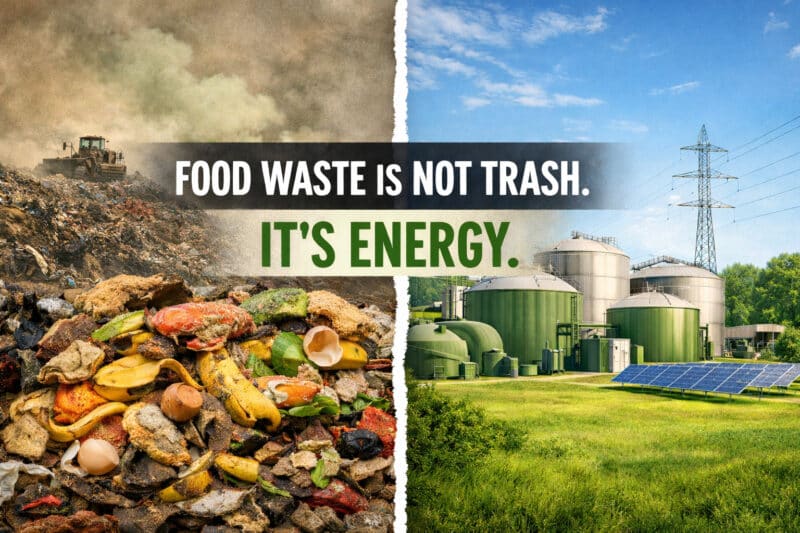
Discover how waste-to-energy technology transforms your food scraps into renewable power. Sustainable Sherri explains the science of anaerobic digestion and real-world solutions like the Linden Renewable Energy Project.
Have you ever looked at your kitchen trash can, filled with banana peels, coffee grounds, and leftovers, and wondered if there was a better way?
We often think of food waste as the end of the line—a smelly problem destined for a landfill. But as a chemical engineer, I see something completely different. I see untapped potential. I see energy.
When I look at food waste, I don’t see trash. I see untapped energy.
It’s time to change our perspective on “trash.” One of the most exciting developments in sustainable engineering is the growing field of waste-to-energy, specifically turning organic food waste into clean, renewable power.
It’s not magic; it’s science. And it’s a real-world superpower we can all support.
The Big Problem with Food Waste
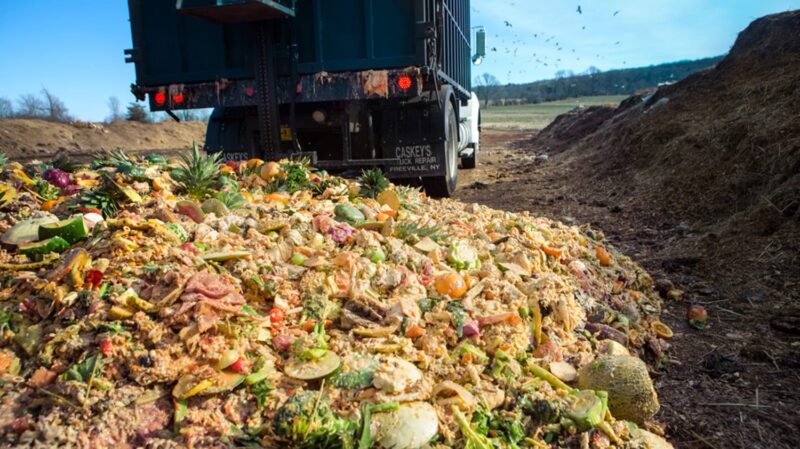
Before we talk about the solution, we have to understand the problem. When food waste ends up in landfills, it decomposes without oxygen. This process releases methane, a greenhouse gas that is incredibly potent at trapping heat in our atmosphere.
Simply burying our organic waste isn’t just a missed opportunity; it’s actively harming the planet. We need a smarter approach.
Simply burying food waste isn’t just a missed opportunity—it’s an environmental liability
The Engineering Solution: Anaerobic Digestion
So, how do we turn an old apple core into electricity? The answer lies in a process called Anaerobic Digestion.
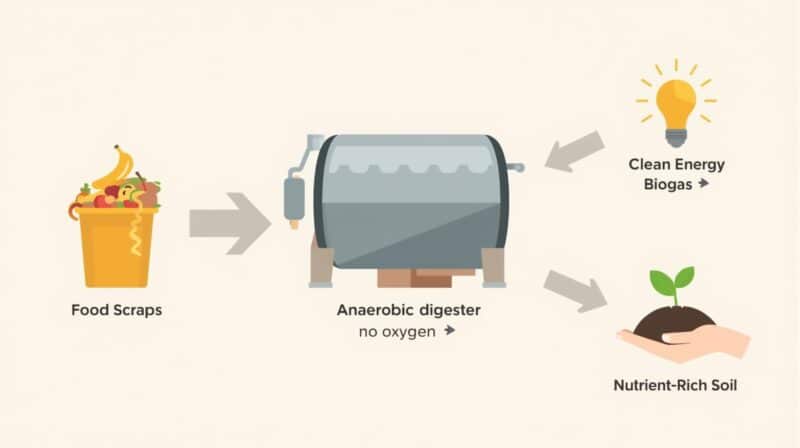
Think of an anaerobic digester as a massive, industrial-sized stomach. It’s a sealed, oxygen-free tank filled with microorganisms that love to eat organic material.
Basic breakdown of the process:
- Collection: Food waste (from homes, restaurants, and grocery stores) is separated from regular trash and collected.
- Digestion: The waste is fed into the enclosed anaerobic digester.
- Biogas Production: As the microorganisms break down the food waste, they produce biogas—a mixture primarily made of methane and carbon dioxide.
- Energy Creation: This biogas is captured and cleaned. It can then be burned to generate electricity, heat, or processed into renewable natural gas (RNG) to fuel vehicles or heat homes.
Real-World Impact: The Linden Renewable Energy Project
This isn’t futuristic technology; it’s happening right now. A prime example is the Linden Renewable Energy Project. This initiative demonstrates the massive scale at which we can divert waste and create value.
As detailed in the infographic below, this project is designed to divert a staggering 1,475 tons of organic waste daily. Instead of sitting in a landfill, that waste is put to work.
By utilizing anaerobic digestion, projects like Linden achieve incredible environmental benefits:
- Avoiding Emissions: It avoids 120,000 Metric Tons of CO2e annually, significantly lowering the carbon footprint of waste management.
- Generating Fuel: It produces the equivalent of ~30,200 gallons of gasoline daily.
- Creating Soil Health: The process also creates a nutrient-rich soil amendment, returning value back to the earth.
Why Waste-to-Energy Matters
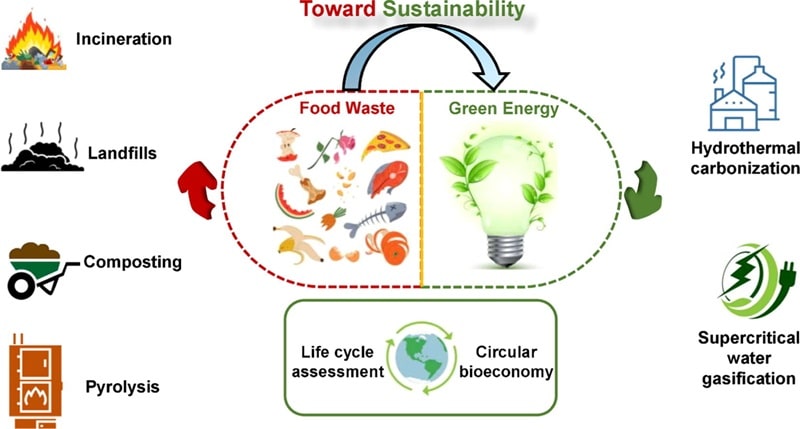
Transitioning to a sustainable future means looking at every waste stream as a potential resource. Waste-to-energy facilities provide a crucial bridge. They reduce our reliance on fossil fuels, cut down greenhouse gas emissions from landfills, and provide a reliable source of base-load renewable energy.
Transitioning to a sustainable future means looking at every waste stream as a potential resource.
As Sustainable Sherri, my mission is to combine engineering expertise with real-world applications to help our communities thrive. Supporting and understanding technologies like anaerobic digestion is a massive step toward a cleaner future.
It’s Time to Act
Your food scraps already have power. The question is whether we choose to unlock it—or bury it.
Here is your Call to Action:
- Check Local Options: Does your municipality offer curbside food scrap collection? If not, advocate for it at your next town council meeting.
- Learn More: Dive deeper into the specifics of the Linden Renewable Energy Project by clicking here.
- Join the Mission: For more insights on the intersection of engineering, real estate, and sustainability, visit SustainableSherri.com and connect with me on social media. Let’s build a greener future together!
Leave a Reply