
We often associate pollution with smoggy city skylines or industrial exhaust, yet the air inside our own homes and offices can be up to five times more polluted than the air outside. As we construct more energy-efficient, airtight buildings to conserve heat and cooling, we unintentionally trap contaminants inside with us.
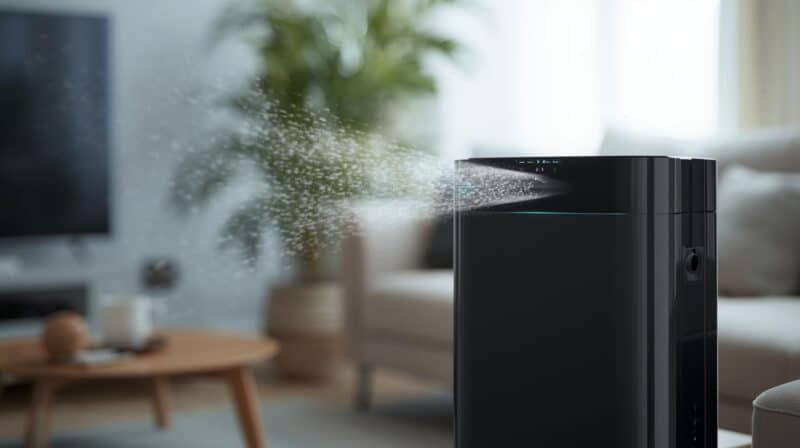
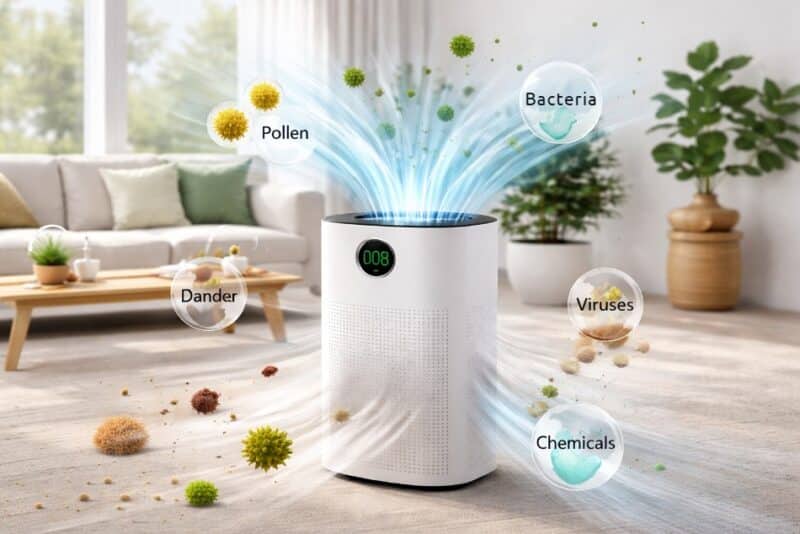
The need for clean indoor air is urgent because we spend approximately 90% of our time indoors. Without proper ventilation, our living spaces become reservoirs for “particulate matter”—a mix of dust mites, pet dander, mold spores, and pollen. Even more concerning are Volatile Organic Compounds (VOCs), invisible gases emitted by common household items like paint, cleaning supplies, and even new furniture.
Poor indoor air quality is a silent contributor to a host of health issues, ranging from chronic allergies and asthma to fatigue, headaches, and “brain fog.”
Ensuring clean air isn’t just about comfort; it is a critical component of preventative health. Strategies like using HEPA air purifiers, maintaining proper humidity levels, and simply opening windows to increase airflow can drastically reduce these pollutants. Breathing clean air at home is essential for restful sleep, focused work, and long-term respiratory health.
Leave a Reply