
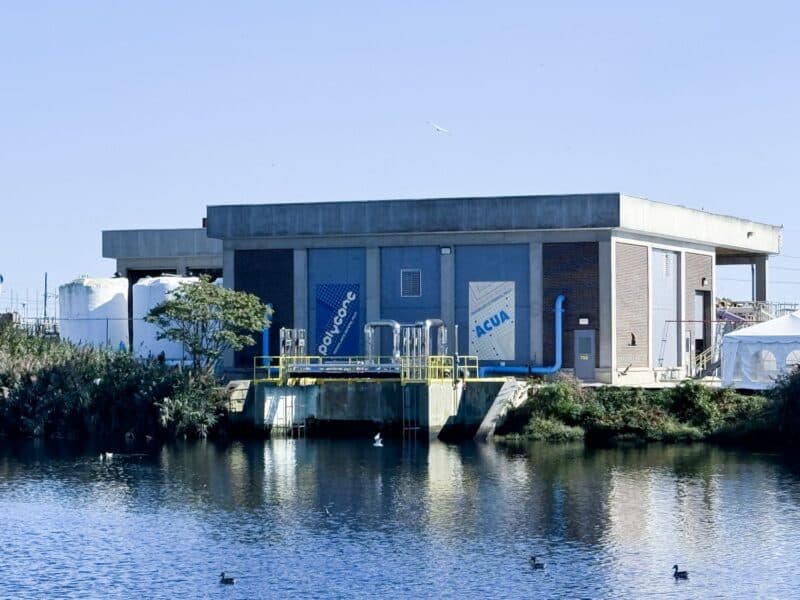
🌊 What if we could stop hundreds of millions of microplastic particles from entering our oceans every year? Right here in Atlantic County, New Jersey, we’re doing just that!
As a longtime resident of the Jersey Shore and an environmental advocate, I couldn’t be prouder that my community is helping pioneer a groundbreaking solution to one of our most pressing environmental challenges: microplastic pollution.
The Atlantic County Utilities Authority (ACUA), in partnership with New Jersey-based PolyGone Systems, has launched what is being described as the world’s first permanent commercial microplastic filtration system at a municipal wastewater treatment facility.
And the best part? This technology has the potential to be replicated by wastewater utilities throughout New Jersey, across the United States, and around the world.
Why Microplastics Are Such a Big Problem
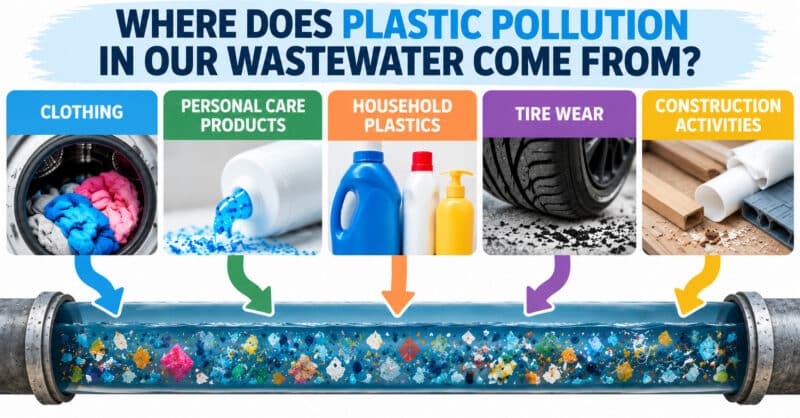
Microplastics are tiny plastic particles measuring less than 5 millimeters. They originate from numerous sources, including:
- Plastic packaging and discarded plastic products
- Synthetic clothing fibers released during washing
- Tire wear from vehicles
- Construction activities, including cutting PVC, vinyl siding, and composite decking
- Breakdown of larger plastics in the environment
These particles can travel through stormwater systems, rivers, and wastewater treatment facilities, eventually reaching our bays and oceans.
Microplastics have been detected in marine organisms, drinking water, and human tissues. Scientists are continuing to investigate their potential long-term effects on human health.
One challenge is that conventional wastewater treatment systems were not specifically designed to capture all of these tiny particles.
That’s what makes ACUA’s innovative approach so exciting.
How Does PolyGone’s Technology Work?
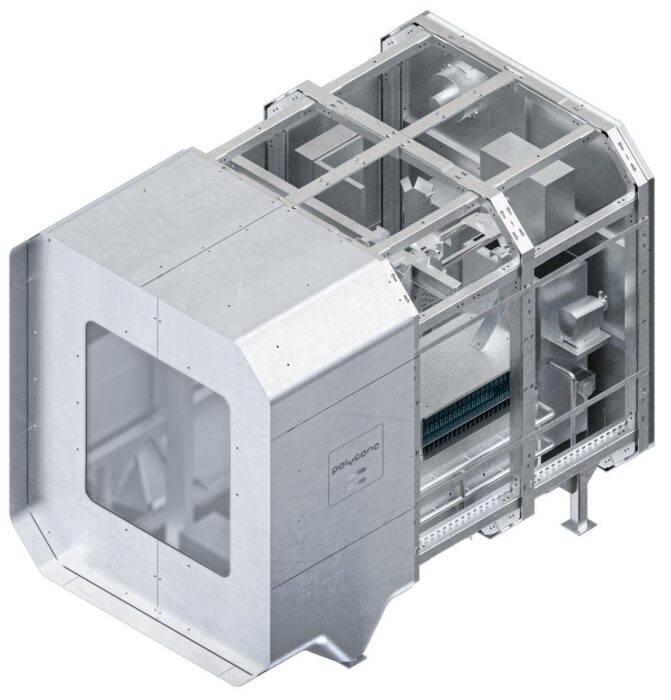
PolyGone Systems, founded by Princeton University graduates, developed an innovative filtration technology that mimics natural processes.
Its specialized Artificial Root Filters use thousands of silicone-based fibers to attract and capture microplastic particles from wastewater.
The technology is incorporated into a system called the PolyPod, which:
- Intercepts treated wastewater before it is discharged into the environment.
- Uses specialized filters to attract and trap microplastic particles.
- Automatically lifts and cleans the filters to remove collected plastics.
- Collects the captured material for appropriate disposal or potential recycling.
Unlike some traditional filtration technologies, the system takes advantage of the natural flow of water, reducing the need for additional pumping.
PolyGone reports that its filtration technology can capture up to 98% of microplastics under tested conditions. Ongoing monitoring at ACUA will help determine its effectiveness during routine municipal operations.
From Pilot Project to Permanent Installation
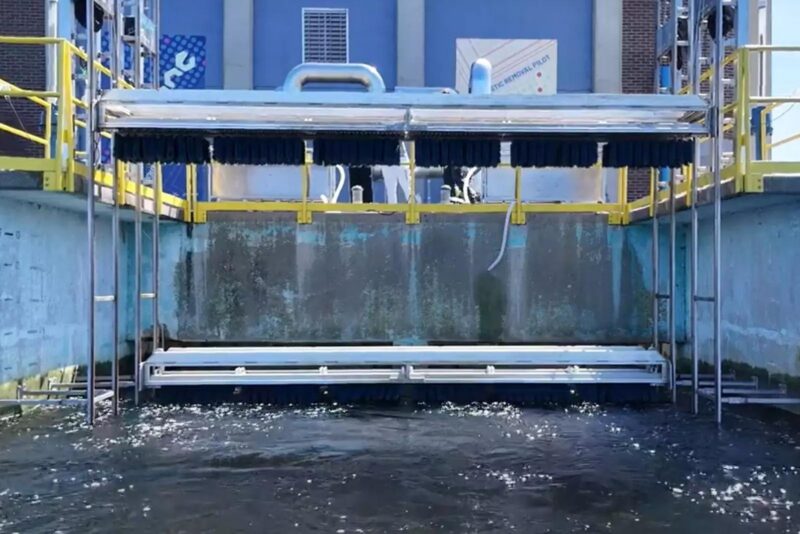
ACUA began collaborating with PolyGone in 2024 to test the technology at its Atlantic City wastewater treatment facility.
The facility processes approximately 40 million gallons of wastewater daily, serving communities throughout Atlantic County.
According to ACUA, the pilot demonstrated the ability to capture approximately 580 million microplastic particles annually.
Building on those promising results, ACUA and PolyGone announced the installation of two upgraded, permanent PolyPod systems in October 2026.
This represents a significant transition from testing an innovative concept to implementing a potentially scalable environmental solution.
And it is happening right here at the Jersey Shore!
Preventing Microplastics at the Source Is Just as Important
This project is particularly meaningful to me because of my ongoing work to prevent microplastic pollution generated at construction sites.
Through my advocacy for Construction Containment legislation, I’ve been working with municipalities, environmental organizations, researchers, and state legislators to reduce the amount of construction dust and debris entering our storm drains, waterways, and ultimately our oceans.
Cutting common construction materials such as PVC, vinyl siding, and composite decking can generate significant quantities of fine plastic particles.
Once released, these particles can be carried by wind or rain into our stormwater infrastructure and surrounding ecosystems.
Our construction containment initiative focuses on practical prevention measures, including dust collection attachments, containment tarps, wet cutting methods, and proper cleanup practices.
The connection between these two initiatives is powerful:
Construction containment helps prevent microplastics from entering our waterways in the first place. ACUA and PolyGone are working to capture microplastics already present in treated wastewater before they reach our coastal waters.
These approaches address different pollution pathways, but both are essential parts of a comprehensive strategy.
It’s important to recognize that wastewater filtration does not replace construction-site containment. Much of the debris entering storm drains can flow directly into waterways without ever passing through a wastewater treatment plant.
We need both prevention and removal.
A Model for Utility Authorities Nationwide
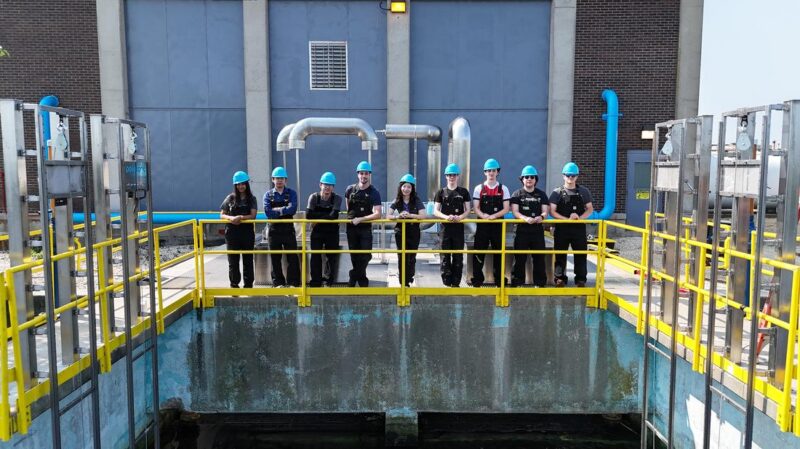
Perhaps the most exciting aspect of ACUA’s project is its potential for replication.
Across the country, wastewater treatment facilities face growing challenges from emerging contaminants, including microplastics.
If PolyGone’s technology continues to demonstrate reliable performance, reasonable operating costs, and practical maintenance requirements, it could provide a valuable model for other municipal utilities.
Imagine the collective impact if hundreds—or thousands—of wastewater treatment plants incorporated effective microplastic removal technologies.
That’s how local innovation can create national and even global environmental progress.
Proud of Our Community’s Environmental Leadership
ACUA has a history of embracing environmental innovation, including renewable energy initiatives and sustainable waste management practices.
This latest project demonstrates what can happen when public utilities, innovative businesses, researchers, and environmental advocates work together toward a common goal.
I commend ACUA, PolyGone Systems, and everyone involved for their vision, collaboration, and commitment to protecting our coastal environment.
As someone who lives in the community ACUA serves, I am especially proud that our region is helping lead the way.
And as an environmental advocate, I hope this project encourages other utility authorities to explore similar solutions.
A Cleaner Future Starts with Action
Microplastic pollution is a complex problem, and no single technology or policy will solve it.
We need to reduce unnecessary plastic consumption, prevent pollution at its source, improve waste management practices, and invest in technologies that remove contaminants before they reach our ecosystems.
ACUA’s groundbreaking initiative reminds us that meaningful environmental progress often begins at the local level.
From construction sites to wastewater treatment plants, every effort to keep microplastics out of our waterways matters.
Together, we can protect our beaches, bays, oceans, and marine life for future generations.
Keep our Jersey Shore clean and green!
— Sustainable Sherri
Leave a Reply