
By Steve Jasiecki, Chairman of the Margate Sustainability Team
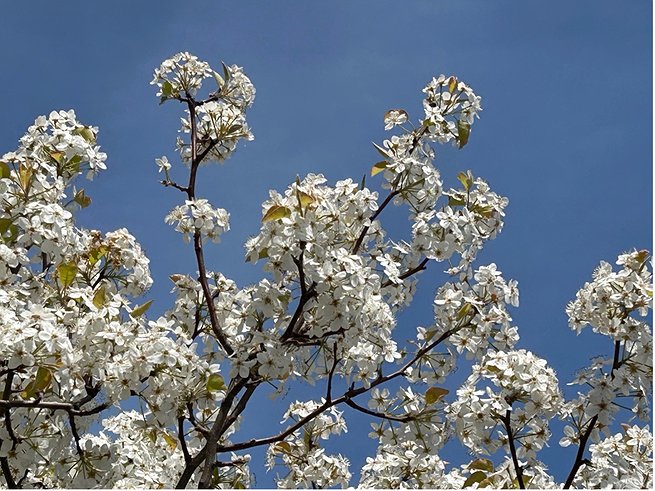
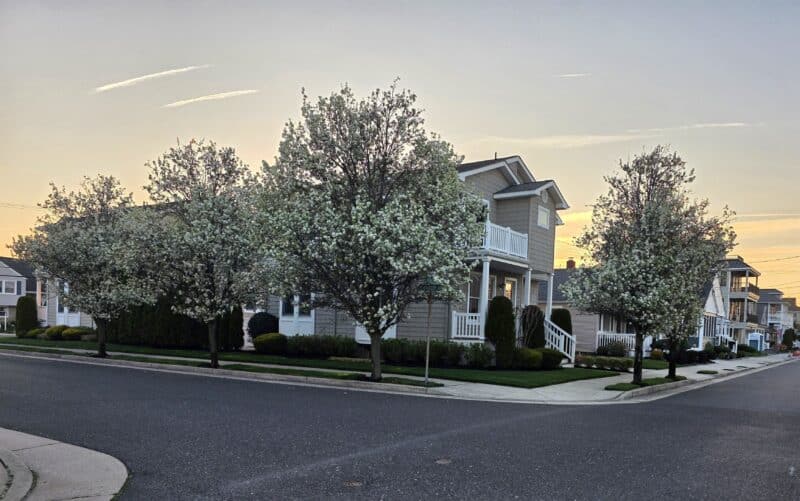
As spring arrives, you’ve undoubtedly noticed an abundance of white flowering trees popping up along our street corridors, shopping centers, and neighborhoods. From a distance, they look like a picturesque sign of the changing seasons. But if you’ve ever walked closely past one, you might have noticed a distinct—and deeply unpleasant—odor that smells a lot like rotting fish.
Meet the highly invasive Bradford pear (a cultivar of the Callery pear, Pyrus calleryana).
Once considered a darling of city planners, landscape architects, and nurseries due to its affordability and fast growth, the Bradford pear was planted by the thousands to beautify properties and meet landscaping requirements. Today, we are paying a steep ecological price for that convenience.
From Landscaping Staple to Ecological Disaster
The Bradford pear was intentionally planted where we wanted it, but it quickly began showing up where we didn’t. These trees are not native to America. They are aggressive invaders that have rapidly spread into our fields, forests, roadsides, and local parks.
Why is this a problem? As these non-native trees spread, they crowd out native vegetation. Our local wildlife relies entirely on native trees, plants, and flowers for food and shelter. Non-native species like the Callery pear offer absolutely none of those vital services. Second only to direct habitat loss, invasive plants are widely recognized as the biggest threat to our wildlife because they completely disrupt the local ecological balance.
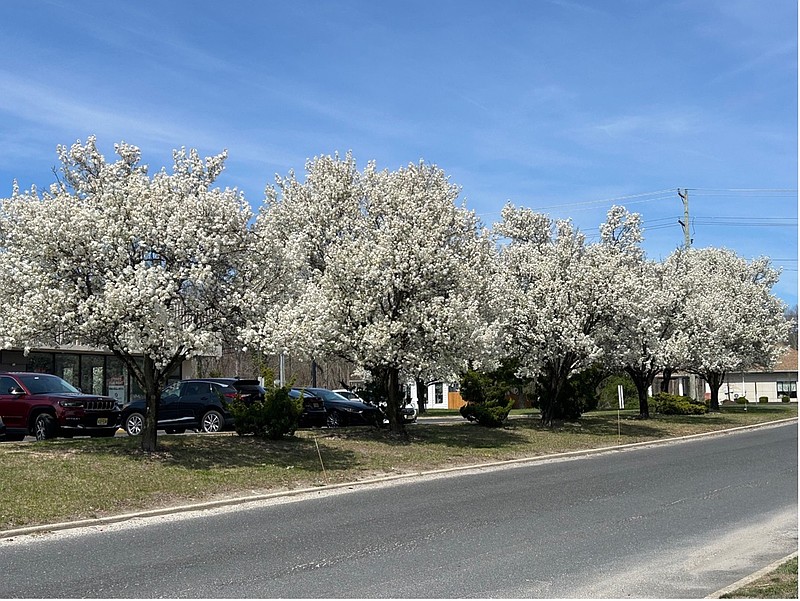
The white canopy of the Bradford pear serves as a stark visual reminder of just how extensively this invasive species has taken over. And unfortunately, once those white petals drop and are replaced with green leaves, the trees blend seamlessly into their surroundings, silently continuing their invasion.
The High Cost of Fixing the Problem
We are now stuck between a rock and a hard place. So many Bradford pears have been planted over the decades that replacing them on a massive scale is incredibly expensive. Furthermore, tearing them all down at once would leave many of our streetscapes and parks totally devoid of trees until suitable replacements could grow to a substantial height.
Invasive vegetation is a major driver of ecosystem degradation. In fact, a 2009 strategic plan by the New Jersey Invasive Species Council found that a shocking 30% of the state’s flora consisted of non-native species.
A Greener Path Forward: The New Jersey Invasive Species Management Act
Thankfully, environmental advocates have been working hard to turn the tide. In January 2025, the Invasive Species Management Act of New Jersey officially passed!
This critical legislation restricts the sale, propagation, import, and distribution of designated “prohibited invasive species.” Moving forward, nurseries and garden centers will no longer be allowed to sell these disruptive plants and trees.
You can read more about the specifics of the act here: Princeton Hydro: NJ Invasive Species Management Act
What You Can Do
Whether you are a homeowner upgrading your garden, a developer planning a new subdivision, or a contractor sourcing materials, your choices matter. Until the new law goes into full effect, it is up to us to be diligent.
When purchasing trees, shrubs, and plants for your property, always verify that they are native to New Jersey. By choosing native species, you are not just landscaping; you are actively restoring our local ecosystem and allowing our wildlife to flourish.
Thank you Steve for your continued advocacy and for shining a light on this critical environmental issue.
Let’s continue making smarter, greener choices together.
Stay green, SustainableSherri

Leave a Reply