
Protecting New Jersey and our Environment
People choose to live at the Jersey Shore because of its beautiful beaches, bays, wetlands, wildlife, and quality of life.
As both a Realtor and environmental advocate, I know these natural resources are not only important to our environment—they are also one of the reasons people invest in our communities. Clean neighborhoods, healthy waterways, and thriving wildlife help make our shore towns special.
That is why I recently testified before the New Jersey Senate Environment and Energy Committee in support of Senate Bill S4058, the Construction Containment and Pollution Prevention Act. The bill was released by the committee and now advances to the next stage of the legislative process.
The Hidden Pollution Problem Most People Never See

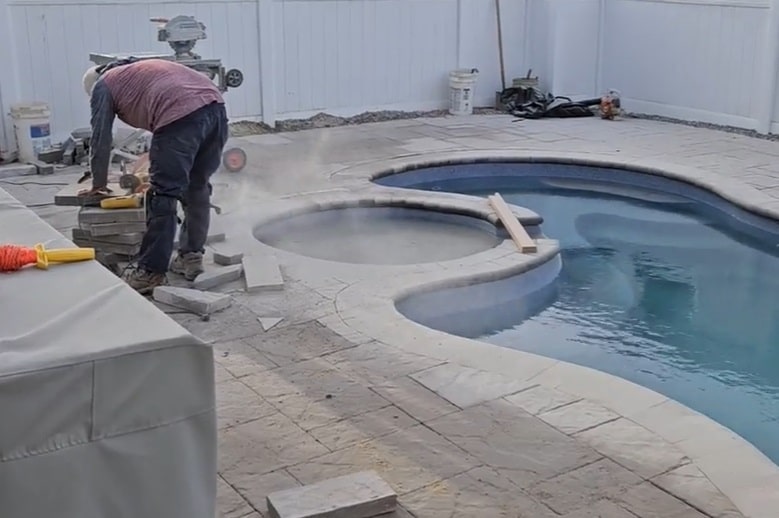
Every day across New Jersey, contractors cut, drill, sand, and grind building materials.
Those activities generate:
✔ Microplastics from PVC, vinyl siding, and composite decking
✔ Silica dust from cutting concrete, brick, mortar, and pavers
✔ Fiberglass fibers from insulation and composite materials
✔ Foam particles from polystyrene-based products
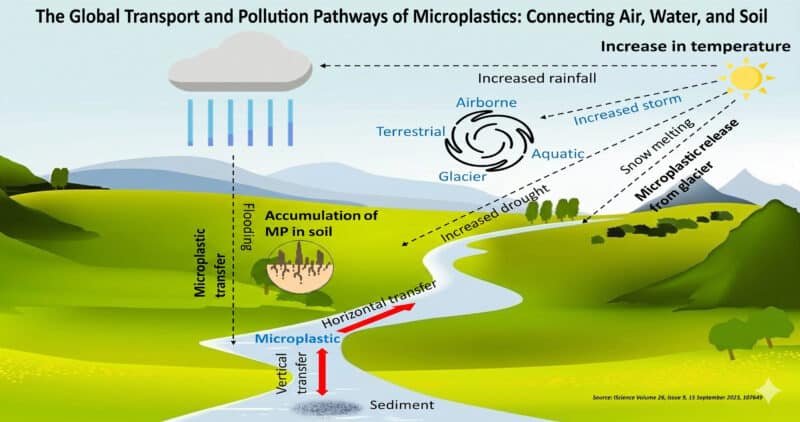
Without proper containment, these contaminants become airborne, settle into soil, enter storm drains, and eventually make their way into our bays, rivers, wetlands, and oceans.
Why Should You Care?
The health concerns are real.
Scientists have now detected microplastics in human blood, lungs, the placenta, and other organs.
Silica dust is known to cause silicosis, a serious and irreversible lung disease, and is classified as a human carcinogen.
Fiberglass fibers can irritate the skin, eyes, and respiratory system and may contribute to long-term respiratory issues.
Construction workers experience the greatest exposure, but nearby residents, families, children, pets, and wildlife can also be affected when contaminants leave a worksite.
The Good News: The Solution Is Simple
This bill does not require expensive technology.
The proposed solutions are inexpensive and readily available:
✔ Tarps beneath work areas
✔ Shop vacuums connected to tools
✔ Saw hoods and containment tents
✔ Wet-cutting methods for masonry products
✔ Proper daily cleanup
Most contractors already own many of these tools.
In fact, these practices often save contractors time and money because cleanup is faster, jobsites stay cleaner, and complaints from neighbors are reduced. Workers are also better protected from harmful exposures.

Protecting Wildlife and Water Quality
Think about where storm drains lead.
They don’t go to treatment plants.
They discharge directly into local waterways.
When construction dust and debris are left behind, rain carries those particles into our bays, marshes, and coastal ecosystems.
The Jersey Shore is home to ospreys, herons, egrets, terrapins, horseshoe crabs, fish, shellfish, and countless other species that depend on clean water and healthy habitats.
Protecting these resources protects the very things that make our communities desirable places to live, work, and visit.

This Is About Responsibility
The Construction Containment and Pollution Prevention Act is based on a simple principle:
If we use materials that create pollution, we should take reasonable steps to contain that pollution.
This is not anti-construction.
It is pro-worker, pro-community, and pro-environment.
It supports responsible contractors while protecting the people who live, work, and recreate nearby.
Take Action Today
The bill has already cleared an important hurdle, but it still needs public support to become law.
If you believe workers deserve a safer workplace, neighborhoods deserve cleaner construction sites, and our waterways deserve protection from unnecessary pollution, please take a moment to sign the action alert HERE to directly urge lawmakers to pass S4058/A3763.
Together, we can protect our workers, our communities, our wildlife, and the natural beauty that makes the Jersey Shore such a special place to call home
Leave a Reply